
If you are dealing with missing teeth, you are not alone. Millions of adults face this issue at some point in their lives, whether due to decay, gum disease, or injury. The good news is that modern dentistry offers several reliable ways to restore your smile and function. However, choosing between these options can feel overwhelming.
At Scripps West Dental, patients often ask about Dental Implants vs. Traditional Solutions, wanting to understand which option is best for their health, lifestyle, and long-term goals. If you are exploring tooth replacement options in San Diego, this guide will walk you through everything you need to know in a clear, patient-friendly way.
Understanding Your Replacement Options
When it comes to replacing missing teeth, there are three primary solutions your dentist may recommend: dental implants, dental bridges, and dentures. Each has its own advantages, limitations, and ideal use cases.
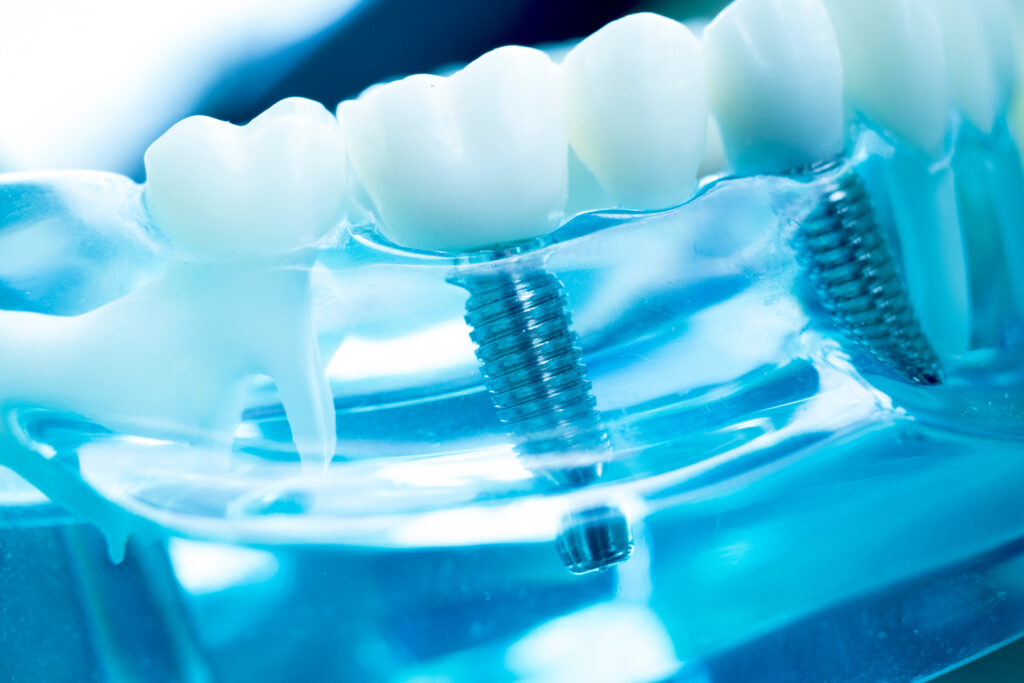
Dental implants are widely considered the most advanced option available today. They involve placing a small titanium post into the jawbone, which acts as an artificial tooth root. Over time, the implant integrates with the bone, creating a stable foundation for a crown, bridge, or even a full arch of teeth.
Traditional solutions include dental bridges and dentures. A dental bridge uses the teeth on either side of a missing tooth as anchors to support a replacement tooth. Dentures, on the other hand, are removable appliances designed to replace multiple missing teeth or even an entire arch.
While all three options can restore your smile, they differ significantly in terms of durability, comfort, maintenance, and how they impact your overall oral health.
Dental Implants vs. Traditional Solutions
Understanding the differences between implants and traditional options is essential before making a decision. Each approach addresses tooth loss, but they do so in fundamentally different ways.
Dental implants are unique because they replace both the root and the visible portion of the tooth. This means they provide stability that closely mimics natural teeth. Patients often report that implants feel and function just like their original teeth, allowing them to eat, speak, and smile with confidence.
Traditional solutions, while effective, do not replace the tooth root. Bridges rely on neighboring teeth for support, which often requires those healthy teeth to be reshaped. Dentures sit on top of the gums and may shift or move during use, especially over time as the jawbone changes.
From a structural standpoint, dental implants support long-term oral health in ways that traditional options cannot. Because they stimulate the jawbone, implants help prevent bone loss that typically occurs after a tooth is lost. Bridges and dentures do not provide this stimulation, which can lead to gradual changes in facial structure and bite alignment.
Comparing Long-Term Outcomes
One of the most important factors to consider when evaluating Dental Implants vs. Traditional Solutions is how each option performs over time.
Dental implants are designed to be a long-term, often lifelong solution. With proper care, many implants can last decades without needing replacement. The crown placed on top of the implant may eventually need to be replaced due to normal wear, but the implant itself is highly durable.
Traditional solutions typically require more maintenance and replacement over time. Dental bridges may last around 10 to 15 years, depending on oral hygiene and overall health. Dentures often need adjustments, relining, or replacement every 5 to 10 years as the shape of the jaw changes.
Another key difference lies in how each option affects surrounding teeth and structures. Implants stand independently and do not rely on adjacent teeth for support. This helps preserve the integrity of your natural teeth. Bridges, however, require modification of neighboring teeth, which can weaken them over time.
Bone health is another major consideration. After a tooth is lost, the jawbone in that area begins to shrink due to lack of stimulation. Dental implants help maintain bone density by mimicking the natural tooth root. Dentures and bridges do not prevent this process, which can lead to changes in facial appearance and fit issues over time.
From a comfort perspective, implants also tend to offer a more natural feel. Dentures, especially full dentures, may require an adjustment period and can sometimes cause irritation or slipping. Advances in denture design have improved comfort significantly, but they still do not fully replicate the stability of implants.
Function and Daily Life Impact
Your choice of tooth replacement will directly affect your daily life, including how you eat, speak, and interact with others.
Dental implants allow you to enjoy a wide variety of foods without restriction. Because they are securely anchored in the jaw, you can bite and chew with confidence. This is especially important for maintaining a balanced diet and overall health.
Traditional dentures may limit your ability to eat certain foods, particularly those that are hard, sticky, or require strong biting force. While many patients adapt over time, it often requires conscious effort and adjustments in eating habits.
Speech is another consideration. Missing teeth and ill-fitting dentures can affect pronunciation and clarity. Dental implants provide stability that helps maintain natural speech patterns.
From a convenience standpoint, implants require no special removal or adhesives. You care for them just like natural teeth with brushing, flossing, and regular dental visits. Dentures, on the other hand, need to be removed for cleaning and may require adhesives to stay in place.
Esthetics and Confidence
For many patients, the appearance of their smile plays a significant role in their decision.
Dental implants are designed to look and feel like natural teeth. The crowns are custom-made to match the color, shape, and size of your existing teeth, resulting in a seamless and natural appearance. Because implants are anchored in the bone, they also help maintain facial structure and prevent the sunken look that can occur with tooth loss.
Traditional solutions can also provide good esthetic results, especially with modern materials and techniques. However, dentures may not always offer the same level of realism, particularly over time as the fit changes.
Confidence is often closely tied to stability. Patients with dental implants typically report feeling more secure when speaking, laughing, and eating. Denture wearers may experience occasional concerns about movement or slipping, which can affect confidence in social situations.
Cost Considerations and Value
Cost is often one of the first questions patients ask when comparing options.
Dental implants generally have a higher upfront cost compared to bridges or dentures. This is due to the surgical placement process, materials, and customization involved. However, when viewed as a long-term investment, implants often provide greater value.
Because implants can last decades and require fewer replacements, they may be more cost-effective over time. Traditional solutions may have lower initial costs but can require periodic replacement, adjustments, and maintenance, which can add up.
It is also important to consider the value of improved comfort, function, and confidence. For many patients, the quality-of-life benefits of dental implants outweigh the initial cost difference.
Your dentist in Mira Mesa can help you explore financing options and determine the best solution based on your budget and goals.
Who Is a Candidate for Dental Implants?
Not every patient is immediately a candidate for dental implants, but many can become eligible with proper planning.
Good candidates typically have healthy gums and sufficient bone density to support the implant. If bone loss has already occurred, procedures such as bone grafting may be recommended to rebuild the foundation.
Overall health is another factor. Conditions such as uncontrolled diabetes or certain medications can affect healing. However, many patients with medical conditions can still successfully receive implants with proper management.
Traditional solutions may be recommended in cases where implants are not feasible or when patients prefer a non-surgical option.
Making Your Decision
Choosing between Dental Implants vs. Traditional Solutions is a personal decision that should be made with guidance from a trusted dental professional.
Start by considering your priorities. Are you looking for a long-term solution that closely mimics natural teeth, or are you seeking a more immediate and lower-cost option? How important are comfort, convenience, and esthetics in your daily life?
Your lifestyle and health history also play a role. If you value durability and want to avoid frequent replacements, dental implants may be the better choice. If you prefer a non-surgical approach or need a quicker solution, traditional options may be appropriate.
A comprehensive consultation with your dentist in Mira Mesa will include an evaluation of your oral health, imaging, and a discussion of your goals. This allows your dental team to recommend a personalized treatment plan that aligns with your needs.
Dental Implants in Mira Mesa, San Diego
Patients seeking Dental Implants in Mira Mesa have access to advanced technology and experienced care at Scripps West Dental. The practice focuses on delivering patient-centered solutions that prioritize long-term health, comfort, and confidence.
Whether you are missing a single tooth or multiple teeth, dental implants offer a reliable and modern approach to restoring your smile. For those considering traditional solutions, bridges and dentures remain viable options that can be tailored to your specific situation.
Dentist in Mira Mesa
Working with a knowledgeable and experienced Dentist in Mira Mesa is essential when exploring your tooth replacement options. Every patient’s situation is unique, and the right solution depends on a combination of clinical factors and personal preferences.
At Scripps West Dental, the goal is to provide clear guidance, honest recommendations, and high-quality care. By understanding the differences between dental implants and traditional solutions, you can make an informed decision that supports your oral health for years to come.
Taking the next step starts with a conversation. Whether you are just beginning your research or ready to move forward with treatment, your dental team is there to help you achieve a healthy, confident smile.