
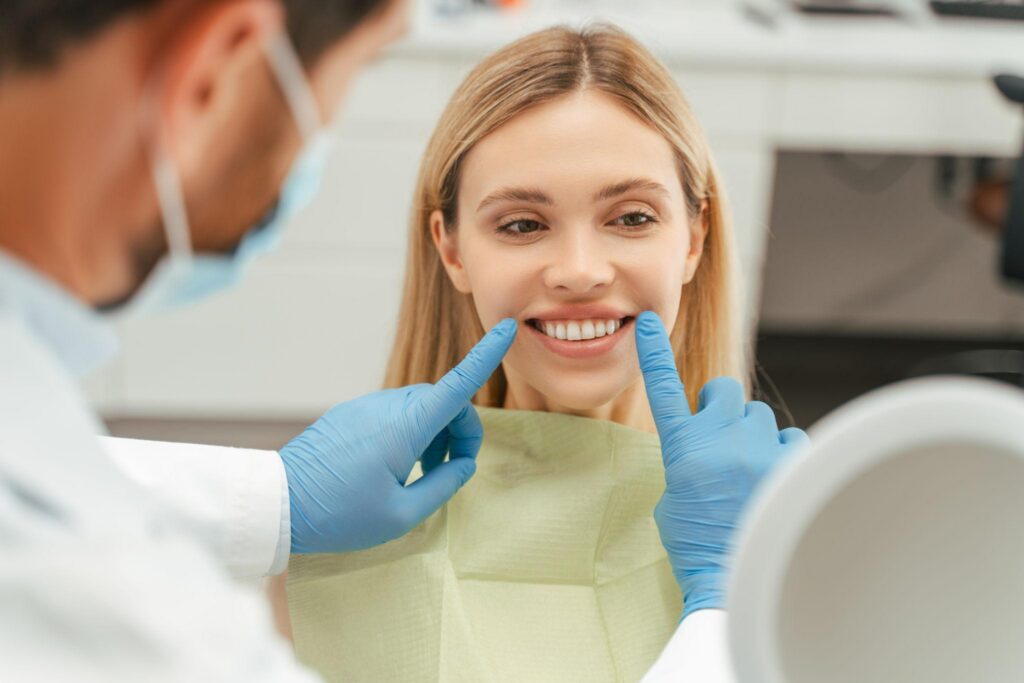
If you have ever thought about brightening your smile but worried your teeth are already too sensitive, you are not alone. Many patients who visit Scripps West Dental ask whether whitening treatments will make their discomfort worse or damage their teeth. The good news is that modern whitening techniques are much safer and more comfortable than many people expect, especially when guided by a dental professional.
For patients with sensitivity, the key is not avoiding whitening altogether. The key is choosing the right approach. With professional guidance, custom whitening systems, and careful planning, many people with sensitive teeth can still enjoy a noticeably brighter smile without unnecessary discomfort.
If you are considering Scripps West Dental for Teeth Whitening in Mira Mesa, San Diego, understanding how sensitivity works can help you feel more confident about your options.
Why do sensitive teeth react during whitening?
To understand why some people feel sensitivity during whitening, it helps to know what causes tooth sensitivity in the first place. Teeth are protected by enamel, which acts as a barrier between the outside world and the softer inner layer called dentin. Dentin contains tiny tubules that connect to the nerve inside the tooth.
When enamel becomes thinner or gums recede, those tubules become more exposed. Hot drinks, cold foods, sweet snacks, and whitening ingredients can temporarily stimulate the nerve through those openings.
Whitening products typically contain hydrogen peroxide or carbamide peroxide. These ingredients break apart stain molecules within the enamel to create a brighter appearance. During that process, the whitening agent can temporarily irritate the nerve inside sensitive teeth.
This reaction is usually temporary, but some people experience stronger sensitivity than others. Patients who already deal with sensitivity from worn enamel, gum recession, grinding, cavities, or cracked teeth may notice more discomfort if they use whitening products incorrectly or too aggressively.
That is one reason professional whitening guidance matters. A dentist can identify the source of sensitivity before treatment even begins.
Is teeth whitening safe for sensitive teeth?
One of the most common questions patients ask is: Is teeth whitening safe for sensitive teeth?
In most cases, yes. Professional teeth whitening is generally considered safe for people with sensitive teeth when it is properly supervised and customized. The important distinction is between professional whitening and unsupervised overuse of over the counter products.
Many store bought whitening strips, toothpastes, and generic trays are designed for the average patient. They are not tailored to your enamel thickness, gum health, existing restorations, or level of sensitivity. Some people use them too frequently or leave them on longer than instructed, which can increase irritation.
Professional whitening takes a much more controlled approach. At Scripps West Dental, whitening treatment can be adjusted based on your comfort level, oral health, and goals. If sensitivity is already present, your dentist may recommend a lower concentration whitening gel, shorter treatment sessions, or pre treatment products designed to strengthen enamel and reduce nerve response.
In some situations, whitening may be postponed until underlying issues are addressed. For example, if sensitivity is caused by decay, gum recession, or a cracked tooth, treating the source first can make whitening much more comfortable later.
Patients are often surprised to learn that professionally supervised whitening can actually be less uncomfortable than repeated use of weaker over the counter products because the process is more precise and controlled.
Why custom take-home trays made a difference
For patients with sensitivity, custom whitening trays often provide one of the best balances between comfort and results.
Why custom take-home trays made a difference comes down to precision. Unlike generic trays purchased online or at a store, custom trays are designed specifically for your teeth. They fit closely and evenly, which helps reduce leakage of whitening gel onto the gums and soft tissues.
When whitening gel spills onto the gums, irritation and discomfort are more likely. A custom fit minimizes that problem and allows for more controlled whitening.
Another major benefit is flexibility. Patients using custom trays can often whiten gradually instead of trying to achieve dramatic results all at once. This slower approach is especially helpful for sensitive teeth because it gives the teeth time to adapt between treatments.
Custom trays also allow dentists to select whitening formulas designed for comfort. Some professional whitening gels contain desensitizing ingredients such as potassium nitrate or fluoride, which help calm the nerves and strengthen enamel during treatment.
Patients who previously struggled with whitening strips often notice a significant improvement when switching to professional custom trays because the experience becomes more controlled, predictable, and personalized.
How dentists reduce sensitivity during teeth whitening
One reason professional whitening is often recommended for sensitive patients is because dentists have several ways to minimize discomfort before, during, and after treatment.
How dentists reduce sensitivity during teeth whitening depends on the patient, but the process often starts with a thorough dental examination. Your dentist will check for cavities, gum recession, worn enamel, old restorations, and signs of grinding that may contribute to sensitivity.
If needed, treatment may include:
• Applying fluoride varnishes or desensitizing agents before whitening
• Recommending sensitivity toothpaste for several weeks prior to treatment
• Using lower concentration whitening gels
• Reducing the length or frequency of whitening sessions
• Suggesting custom trays instead of one size fits all systems
• Monitoring progress closely to avoid over whitening
Another important factor is protecting the gums. Professional whitening treatments are carefully applied to minimize irritation to soft tissues. This controlled approach is one reason many patients with sensitivity tolerate professional whitening far better than expected.
At Scripps West Dental, whitening recommendations are based on each patient’s oral health rather than a one treatment fits all philosophy.
Managing sensitivity during teeth whitening treatment
Even with professional care, some patients may still experience temporary sensitivity during whitening. Fortunately, there are several ways of managing sensitivity during teeth whitening treatment that can make the process much more comfortable.
One of the simplest strategies is spacing out treatments. Instead of whitening every day, some patients benefit from whitening every other day or using shorter sessions. This gives the teeth time to recover between applications.
Using toothpaste specifically designed for sensitive teeth can also help significantly. These products work by blocking pain signals from reaching the nerve inside the tooth. Many dentists recommend beginning sensitivity toothpaste at least two weeks before whitening starts.
Avoiding extremely hot or cold foods during treatment can also reduce irritation. Sensitive teeth are often more reactive to temperature changes immediately after whitening sessions.
Hydration matters as well. A dry mouth can increase discomfort because saliva helps protect and remineralize enamel naturally.
Patients should also communicate openly with their dentist during the whitening process. If sensitivity becomes more noticeable, adjustments can usually be made quickly. Whitening is not meant to be a painful experience, and slowing down the process is often enough to improve comfort while still achieving excellent cosmetic results.
What to avoid when whitening sensitive teeth
Patients with sensitivity should be cautious about trends, shortcuts, and aggressive whitening habits.
What to avoid when whitening sensitive teeth includes overusing whitening strips, combining multiple whitening products at once, or attempting internet whitening hacks without professional guidance.
Some patients assume that stronger whitening automatically means better whitening. In reality, excessive bleaching can temporarily increase sensitivity and irritate the gums without necessarily improving long term results.
Highly abrasive whitening toothpastes can also contribute to enamel wear over time. While they may help remove surface stains, aggressive scrubbing combined with abrasive ingredients can worsen sensitivity if used excessively.
Acidic foods and drinks should also be limited during whitening treatment. Citrus, soda, wine, and sports drinks can temporarily soften enamel, making teeth more reactive during the whitening process.
Smoking and tobacco use can quickly restain teeth after whitening, leading some people to over whiten repeatedly in an attempt to maintain brightness.
Professional guidance helps patients avoid these common mistakes while protecting their long term oral health.
Long-term results and maintenance
Whitening results are not permanent, but good habits can help maintain a brighter smile for a long time.
Long-term results and maintenance depend heavily on lifestyle factors, oral hygiene, and the whitening method used. Professional whitening treatments often produce longer lasting and more even results than many over the counter products because the whitening process is more controlled.
Patients can extend results by brushing and flossing consistently, attending routine dental cleanings, and limiting foods and beverages known to stain teeth. Coffee, tea, red wine, dark sodas, and tobacco products are among the biggest contributors to discoloration over time.
Many patients with sensitive teeth appreciate that custom take home trays allow for occasional touch ups instead of repeating full whitening treatments from scratch. This makes maintenance more manageable and often more comfortable.
It is also important to understand that dental restorations such as crowns, veneers, and fillings do not whiten the same way natural teeth do. Your dentist can help create a whitening plan that keeps your smile looking balanced and natural.
Patients looking for Mira Mesa Teeth Whitening often find that professional maintenance guidance makes a major difference in preserving results while minimizing sensitivity.
A healthier and brighter smile can still be comfortable
Sensitive teeth do not automatically mean you have to give up on whitening your smile. With the right approach, many patients can safely improve the appearance of their teeth while keeping discomfort to a minimum.
The biggest difference usually comes from choosing a personalized treatment plan rather than relying on trial and error with generic products. Professional evaluations help identify the cause of sensitivity, select safer whitening methods, and prevent unnecessary irritation.
For many patients, whitening becomes far more comfortable once the process is tailored specifically to their needs.
Whether you have mild sensitivity or have avoided whitening for years because of discomfort concerns, professional guidance can help you explore options safely and confidently.
Call us for more information
If you are interested in professional Teeth Whitening in Mira Mesa, San Diego and want to know what options may work best for sensitive teeth, the team at Scripps West Dental is here to help.
A personalized consultation can determine the source of your sensitivity, evaluate your oral health, and recommend whitening solutions designed for both comfort and results. If you have been searching for a trusted provider for Mira Mesa Teeth Whitening, professional care can help you achieve a brighter smile without unnecessary discomfort.
Call us for more information or schedule a consultation to learn more about safe, effective whitening options for sensitive teeth.