
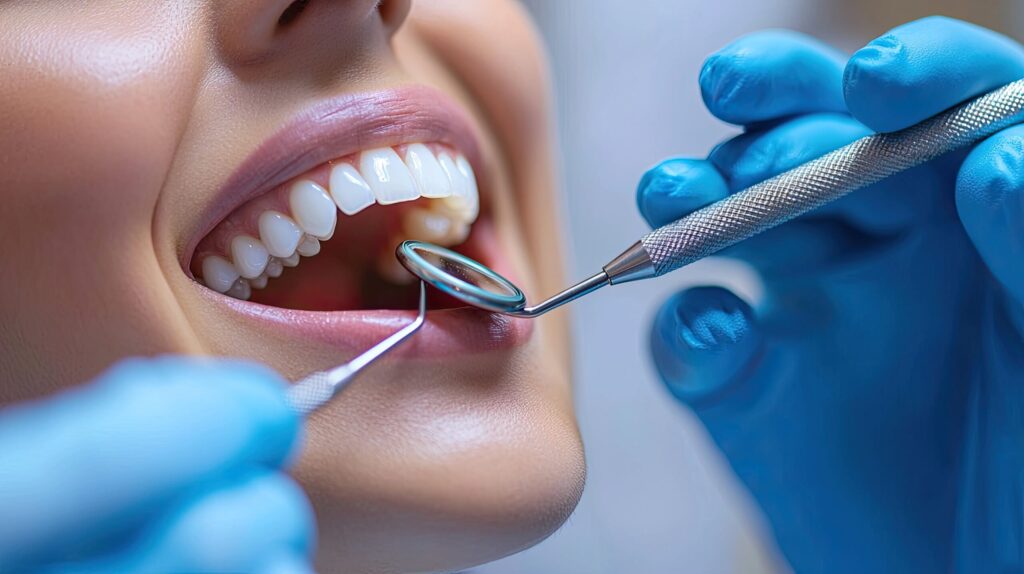
When most people think about going to the dentist, they picture having their teeth cleaned, a cavity check, and maybe an X-ray or two. While those things are part of the experience, your dental checkups do much more than simply polish your smile. Preventive dentistry is one of the most powerful tools for protecting your overall health, and every visit to the dentist is an opportunity to stop small problems before they turn into bigger ones.
At Scripps West Dental in San Diego, we often remind our patients that your dental checkup is not just about your teeth—it’s about your body, your confidence, and even how well you sleep. Understanding what really happens during a preventive visit can change the way you think about dental care.
The Real Goal of Preventive Dentistry
Preventive dentistry is all about being proactive. Instead of waiting until pain or discomfort drives you into the office, checkups allow your dentist to identify risk factors early. Gum disease, tooth decay, oral cancer, and even signs of sleep apnea can often be detected before you’re even aware of a problem. By catching issues at the earliest stage, you avoid complicated procedures, protect your investment in your smile, and keep your overall health on track.
Think of it like regular maintenance on a car. You wouldn’t wait for the engine to fail before adding oil or replacing worn parts. Preventive dentistry works the same way—routine care avoids expensive, stressful emergencies.
More Than Clean Teeth
Professional cleanings are one of the most visible parts of a checkup, and they’re incredibly important. Even if you brush and floss perfectly, plaque and tartar will build up in hard-to-reach places. Hygienists use specialized tools to remove those deposits and prevent gum inflammation.
But cleanings also serve as a chance to track long-term patterns. Your dental team monitors how your gums respond, whether there are new areas of bleeding, or if bone levels are changing around your teeth. These details can reveal the earliest signs of periodontal disease, which is linked to serious health concerns like diabetes, cardiovascular disease, and stroke.
So while your teeth may look brighter after a cleaning, the deeper benefit is that you’re lowering risks for chronic health conditions.
The Oral-Systemic Connection
Science has firmly established that oral health and whole-body health are inseparable. Infections in the mouth can spread bacteria through the bloodstream, fueling inflammation throughout the body. Poor gum health has been connected to higher risks of heart disease, complications with pregnancy, and even memory decline.
Your dental checkup gives your provider a window into your overall wellness. For example, if they notice dry mouth, enamel erosion, or jaw pain, it could point to conditions such as acid reflux, stress, or sleep disorders. Preventive dentistry isn’t just about fixing teeth—it’s about keeping your entire body functioning at its best.
How Dental Visits Relate to Sleep Apnea
One of the less obvious but important roles of a dental checkup is detecting sleep-related issues. Sleep apnea, a condition where breathing repeatedly stops and starts during the night, often shows subtle signs in the mouth. Worn enamel from grinding, scalloped tongue edges, or inflamed tissues can all be red flags.
Patients with sleep apnea often struggle with poor sleep, waking up tired even after a full night in bed. Over time, this can lead to serious health issues, including high blood pressure and increased risk of heart attack. Dentists are in a unique position to recognize these patterns and may refer you for a sleep study or discuss oral appliance therapy.
This is a perfect example of how your dental visits extend beyond your smile—they can literally save your life.
Early Cavity Detection and Prevention
Cavities don’t appear overnight. They develop slowly as acid weakens enamel. With modern diagnostic tools like digital X-rays and laser cavity detectors, dentists can spot cavities at their earliest stage—sometimes before they’re visible to the naked eye.
Catching decay early means you might only need a small filling instead of a root canal or crown. It also reduces costs, minimizes discomfort, and preserves more of your natural tooth. Preventive dentistry is always more conservative than waiting until damage is advanced.
Gum Health as a Foundation
Gum tissue may not get as much attention as teeth, but it’s the foundation of your smile. During a preventive visit, your dentist and hygienist measure gum pockets, check for bleeding, and evaluate how firmly your gums attach to your teeth.
Even mild gum disease, called gingivitis, can cause swelling and bleeding when brushing. If untreated, it progresses to periodontitis, where gums pull away from teeth and bone begins to erode. This can eventually lead to tooth loss.
Since gum disease often causes no pain in early stages, only regular exams can reliably detect it. Preventive care ensures problems are addressed with simple treatments like scaling and improved home care before they require surgical correction.
Oral Cancer Screening
Every dental checkup includes an oral cancer screening. Your dentist looks for unusual patches, lumps, or lesions inside your mouth and around your neck. Because oral cancer can develop quickly, early detection is critical for successful treatment.
Most patients don’t realize this life-saving screening is part of every routine dental visit. It’s one more reason preventive dentistry is about protecting your whole health, not just your teeth.
Esthetics and Confidence
While preventive dentistry is primarily about health, it naturally supports esthetics too. Clean, healthy teeth look better. Preventing staining, erosion, and gum recession keeps your smile attractive for years.
When you feel confident about your teeth, you’re more likely to smile openly, which can impact relationships, career opportunities, and emotional well-being. Preventive care helps you avoid the esthetic problems that develop when dental health is neglected.
Personalized Advice and Education
Every checkup is also a chance for personalized coaching. Your hygienist might suggest a different brushing technique, recommend a specific toothpaste, or point out areas you’re missing when flossing. These small adjustments make a big difference in long-term health.
Your dentist may also talk with you about lifestyle factors like diet, hydration, and sleep habits. For example, if poor sleep or fatigue comes up during conversation, your dentist might discuss the possibility of sleep apnea and encourage further evaluation. Preventive visits empower you with knowledge that can improve both oral and overall health.
Saving Money and Stress
Preventive dentistry doesn’t just protect health—it saves money. Treating problems early is far less expensive than repairing advanced damage. A simple filling is much more affordable than a crown or implant. Regular visits also prevent the stress and pain that come with dental emergencies.
By investing in preventive care, you avoid missed work, complicated procedures, and the anxiety of dealing with sudden problems. It’s one of the smartest financial decisions you can make for your long-term health.
Why San Diego Patients Trust Preventive Care
Living in San Diego means enjoying sunshine, beaches, and an active lifestyle. Preventive dental care fits perfectly into that picture. Just as you wouldn’t skip sunscreen or exercise, you shouldn’t skip dental checkups. A strong foundation of oral health allows you to enjoy the activities you love without being held back by toothaches, infections, or fatigue from poor sleep.
At Scripps West Dental, we take a comprehensive approach. Our team looks beyond teeth and gums to consider how your oral health connects to your overall well-being. We understand that every patient is unique, and preventive care allows us to provide personalized guidance for long-lasting results.
The Takeaway
Your dental checkups are much more than quick cleanings. They are opportunities to:
- Detect and treat cavities before they cause pain
- Prevent gum disease and protect overall health
- Screen for oral cancer
- Spot signs of sleep apnea and address poor sleep that leaves you tired
- Provide esthetic benefits that support confidence
- Save money and avoid emergencies
Preventive dentistry is about protecting your body, your smile, and your quality of life.
Head to toe health—learn the benefits.