
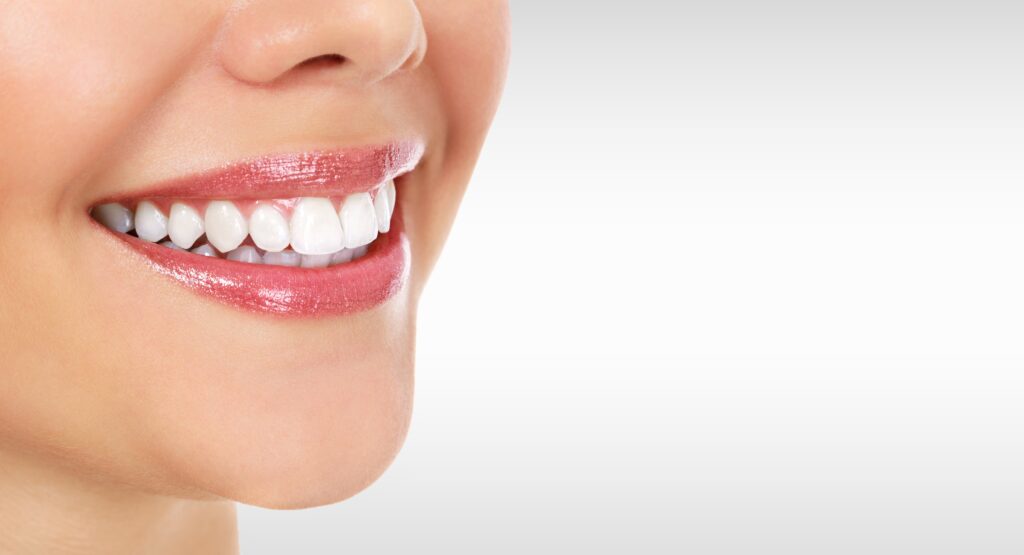
When people think about confidence, they often imagine personality traits, accomplishments, or how someone carries themselves. Those things matter, but your smile plays a surprisingly consistent role in how you feel and how others perceive you. In a city like San Diego, where meeting new people happens at beaches, workplaces, and neighborhood gatherings from La Jolla to Mission Valley, a comfortable, natural-looking smile can influence the way you experience daily life.
At Scripps West Dental, we see the difference every day. Patients often talk about the way they avoided smiling in photos taken at Sunset Cliffs or how they used to cover their mouth when talking in meetings downtown. Once their smile feels like something they can show naturally, their posture shifts, their voice steadies, and their interactions open up. Confidence doesn’t come from the smile alone, but it’s often the missing piece that allows someone’s natural personality to show.
This article looks at why your smile shapes first impressions, how confidence and oral health are connected, and what cosmetic treatments, including porcelain vs composite veneers, can do to support a smile that feels authentic.
How Your Smile Shapes First Impressions
Most people notice a smile before they catch a name. A study published by the University of California in the early 2010s found that facial expressions, especially smiling, influence whether we perceive someone as approachable or trustworthy. Although individual experiences vary, this pattern shows up everywhere from job interviews to casual conversations.
Think of a familiar scenario in San Diego. You meet someone for the first time at Liberty Station during one of the weekend outdoor markets. They smile while saying hello, and the moment feels warm and easy. If they look tense or try to hide their teeth, the interaction can feel different. The change is subtle, but it calls attention to how much we rely on social cues linked to our smiles.
Patients sometimes tell us that when they feel worried about a chipped tooth, staining, or alignment, their smile feels forced. When they relax into a genuine expression, people tend to respond more openly. It’s not about perfection. It’s about comfort, authenticity, and feeling at ease in your own appearance.
Your Smile and The Way You Feel About Yourself
There’s a noticeable psychological component to smiling. Several dental schools, including UCLA’s School of Dentistry, have conducted small patient surveys showing that people who address cosmetic concerns often report improved self-confidence. This doesn’t mean everyone needs a cosmetic procedure. Many patients simply want their teeth to look clean, healthy, and consistent with their natural features.
A few patterns come up in our conversations with patients in San Diego
1. Smiling in Photos
Events at Belmont Park or family gatherings in Point Loma often come with group photos. Patients sometimes feel pressured to hide their smile, especially if they dislike how it looks in bright natural light.
2. Speaking Up in Social Settings
Whether someone is giving a presentation in Sorrento Valley or chatting at a coffee shop in Hillcrest, self-consciousness about teeth can cause hesitation.
3. Enjoying Day-to-Day Interactions
A smile affects simple moments: greeting a neighbor, meeting someone new at a Padres game, or sharing a laugh during lunch with coworkers.
When people like their smile, they typically express themselves more freely. They laugh more easily, and they stop worrying about how they look from a particular angle. Confidence stems from behavior and mindset, but a smile often supports both.
The Esthetics Behind a Natural-Looking Smile
Dental esthetics focuses on balance, proportion, and how teeth complement facial features. Instead of copying a generic “perfect” smile, dentists study the natural characteristics of your face. This includes tooth shape, gumline, symmetry, and the subtleties that make every smile unique.
Patients often expect cosmetic dentistry to mean dramatic transformation. In reality, many of the most natural-looking results come from small, precise changes. These may involve contouring, brightening, or restoring damaged areas so the smile blends smoothly with the rest of your appearance.
When planning cosmetic treatment, your dentist may look at three guiding elements:
Tooth Color:
Natural tooth shades vary by individual. A customized shade often looks healthier and more believable than an overly bright tone.
Shape and Proportion:
Teeth that follow the natural curvature of your lips tend to create balanced esthetics. This approach is especially important for veneers and bonding.
Consistency and Symmetry:
Minor chips, discoloration, or uneven edges can disrupt the way light reflects off your teeth. Correcting these details helps create a smooth, cohesive look.
Patients appreciate that cosmetic dentistry today is less about major redesigns and more about refining what you already have.
Veneers and Confidence: Understanding Porcelain vs Composite Veneers
One of the most common questions we hear is whether porcelain or composite veneers provide better results. Both materials help improve esthetics, but they serve slightly different purposes depending on your goals, timeline, and budget.
Porcelain Veneers
Porcelain is known for its durability and its ability to reflect light in a way that closely resembles natural enamel. These veneers are created in a dental lab, sometimes using digital imaging technology that tracks precise measurements. Because porcelain is strong and stain-resistant, some patients choose it for longer-term wear or when they want a stable appearance across multiple years.
The process usually requires two visits. During the first, the dentist prepares the teeth and takes impressions or digital scans. At the second visit, the customized porcelain shells are placed. This timeline appeals to patients who want detailed customization, especially for front teeth that show prominently in conversation or photos.
Composite Veneers
Composite veneers use a tooth-colored resin that your dentist shapes chairside. The entire procedure often takes a single appointment. While composite is not as stain-resistant as porcelain, it allows precise adjustments and offers a more affordable option for many patients.
Patients choose composite when they want to address gaps, chipped edges, or discoloration without committing to a more involved treatment process. Because the material is sculpted directly on the tooth, changes can be made on the spot to match your preferences.
Which Option Delivers the Best Results?
The answer depends on what “best” means for your goals. Porcelain typically provides enhanced longevity and esthetics. Composite allows efficiency and flexibility at a lower cost. Many San Diego patients narrow their decision by considering how long they want the result to last, how quickly they want treatment, and how the veneers will fit into their daily routines.
If you’re curious how these materials would look with your facial features, our team at Scripps West Dental can walk you through examples and personalized recommendations. This helps you choose an option that aligns with your lifestyle, whether you spend your weekends surfing in Pacific Beach or working long hours in the Golden Triangle.
Everyday Habits That Influence Smile Confidence
A confident smile doesn’t come only from cosmetic treatment. Daily habits shape oral health and appearance over time. Here are a few practical habits that patients in San Diego often focus on:
Stay consistent with routine cleanings.
Regular checkups allow your dentist to catch developing issues early. Scheduling every six months keeps teeth looking their best and reduces the likelihood of unexpected problems.
Choose water often, especially after outdoor activities.
Whether you’re out on a hike at Torrey Pines or walking around Balboa Park, water helps prevent dryness and supports enamel health.
Pay attention to nighttime habits.
If you grind your teeth at night, a custom nightguard may protect against enamel wear. Grinding is common among people with active lifestyles or high stress levels.
Address small changes quickly.
A small chip or localized staining can often be treated easily. Catching issues early prevents larger repairs later.
These habits reinforce confidence because they create a sense of control over your oral health.
How Cosmetic Dentistry Supports First Impressions
Cosmetic dentistry can help create a smile that feels more like you. The focus isn’t on perfection. It’s on helping your natural features stand out.
Patients notice benefits such as:
A smile that reflects how they feel.
People often describe embarrassment when their teeth don’t match their personality. Cosmetic improvements help bridge that gap.
Confidence in social and professional settings.
A bright, even smile encourages comfortable communication. Whether someone is speaking in front of a class at UC San Diego or interviewing for a new position in the biotech corridor, confidence makes a noticeable difference.
Improved motivation for daily care.
Once people feel good about their smile, they often become more consistent with brushing, flossing, and regular dental visits.
A more relaxed presence in photos.
This becomes especially important in a visually oriented city. From selfies at Coronado Beach to family photos along the Embarcadero, people tend to enjoy these moments more when they feel at ease with their smile.
Cosmetic treatments are tools, not shortcuts. They support overall wellness when combined with good oral hygiene and regular dental care.
When to Consider a Cosmetic Consultation
If you’ve been thinking about your smile for a while, a consultation can help you understand options without committing to anything. We encourage patients to reach out when they notice one or more of the following:
- You hide your teeth during conversation or photos.
- You avoid smiling because of discoloration, chips, or uneven shapes.
- You want to know whether porcelain vs composite veneers are right for your appearance and lifestyle.
- You’d like to brighten or reshape your smile in a natural, subtle way.
A consultation at Scripps West Dental gives you space to ask questions, look at examples, and talk through your goals in a relaxed environment.
Smile Confidence in a City That Loves to Connect
San Diego has a unique energy. People greet each other on trails, chat with strangers at farmers markets, and share conversations at cafés in North Park. A warm smile fits naturally into this lifestyle. It opens doors, starts conversations, and reflects the friendliness of the region.
Your smile doesn’t need to be flawless. It just needs to feel like a true expression of who you are. When you feel comfortable sharing it, confidence follows.
Thinking About Veneers? We Can Help You Compare Your Options
If you’ve been weighing porcelain vs composite veneers and wondering which option suits your goals, our team is here to guide you. Schedule a consultation with Scripps West Dental to explore how each type can support a natural, confident smile that suits your San Diego lifestyle.
Which veneer type delivers the best results?
Book your visit today and let’s find the answer together.